

New York City has a reputation. You know the one. “Oh, you’re going to New York? Bring your wallet, your backup wallet, and maybe sell a kidney just in case.”
And sure, there’s truth to that. A cocktail here costs what a full dinner costs anywhere else. A taxi from JFK will age you. But here’s the thing nobody puts on the tourism brochure: some of the most iconic experiences this city has to offer are completely, stubbornly, gloriously free.
I’m talking about the Big Three. Central Park, the High Line, and the Brooklyn Bridge. Three places that have appeared in more Instagram posts, movie backdrops, and tourist bucket lists than anything requiring a ticket. Zero dollars to enter. All of them.
Let’s talk about how to do them right.
Central Park: 843 Acres of “I Live Here Now”
There is no place in New York City that will make you feel more like a local faster than Central Park. You walk in, find a bench, watch someone do yoga while a guy 10 feet away plays a full drum set, and suddenly you understand why eight million people choose to live on a tiny island.
The park stretches from 59th to 110th Street and is free every single day of the year. That’s 843 acres of trees, bridges, lakes, walking paths, and skyline views that cost exactly nothing.
The Spots You Actually Want to Find
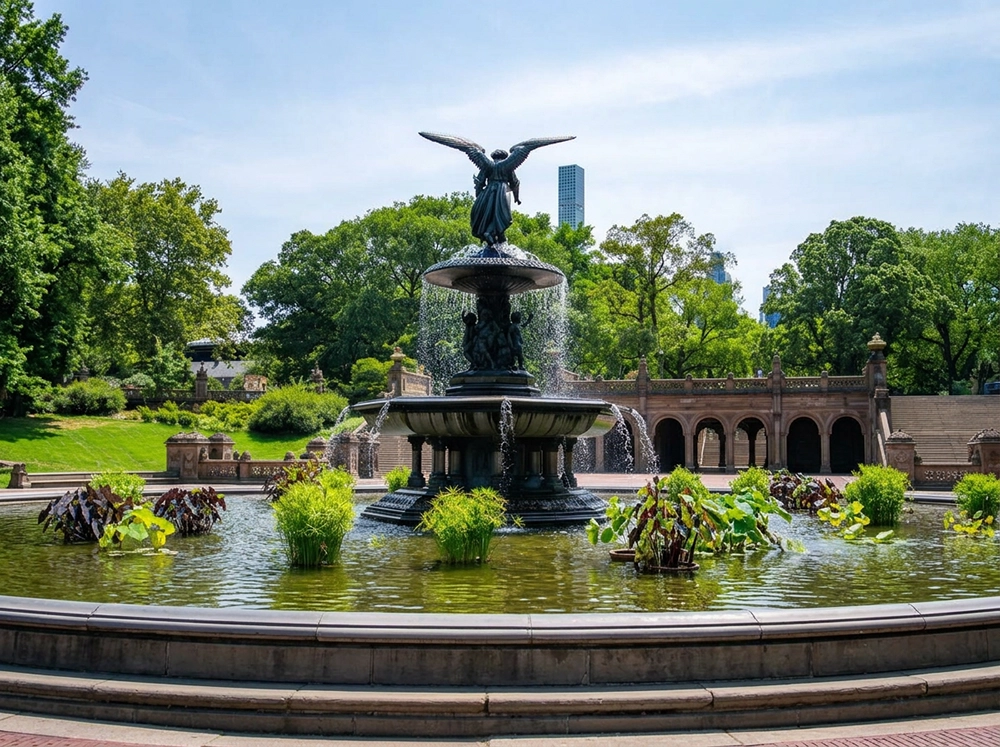
Bethesda Terrace and Fountain is the architectural heart of the park, and it photographs so well that it should charge a modeling fee. Nearby, Bow Bridge is the kind of elegant iron footbridge that makes you feel like you’re in a period drama, which is either delightful or concerning depending on your personality.
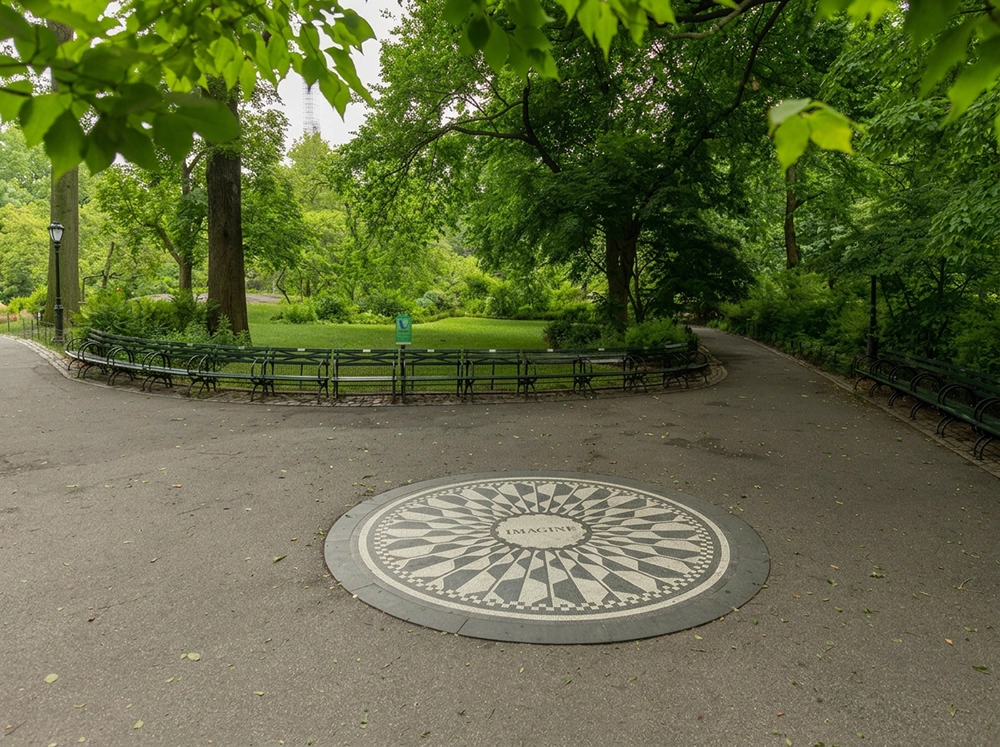
Strawberry Fields, near West 72nd Street, is the quiet memorial to John Lennon. It’s small, peaceful, and almost always has someone playing a guitar nearby. Bring a minute of silence and maybe a flower.
If you’re visiting in summer, do not miss Shakespeare in the Park at the Delacorte Theater or the New York Philharmonic on the Great Lawn. These are genuinely world-class performances under the open sky, and they cost nothing. Nothing! In New York! I still find this shocking.
When to Go
Early morning is its own reward here. The paths are quiet, the light is soft, and you’ll see joggers and dog walkers and the occasional person doing tai chi in a way that makes you want to completely rethink your morning routine. Late afternoon hits differently too, especially if you want golden-hour photos that look like you hired a cinematographer.
The High Line: Where Urban Grit Became a Garden Party
Once upon a time, an abandoned freight rail line ran along Manhattan’s West Side. For years it sat there, rusting, forgotten, occasionally hosting graffiti and feral cats. Then someone had the idea of turning it into a park, and now it’s one of the most talked-about pieces of urban design in the world.
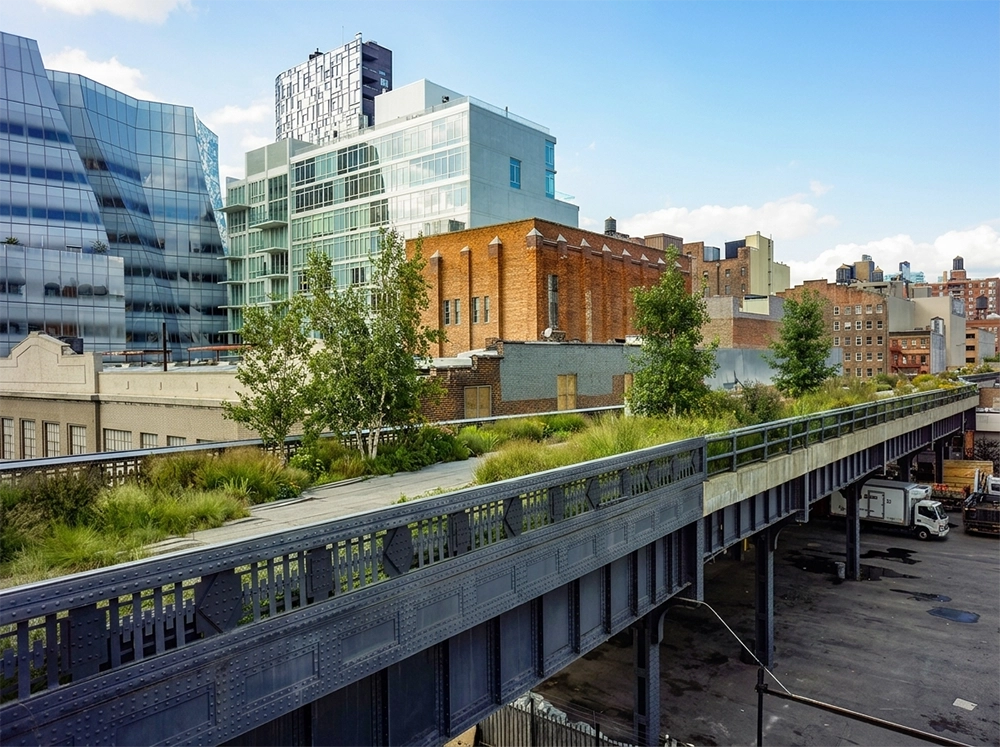
The High Line runs 1.45 miles from the Meatpacking District up to around 34th Street. It’s elevated, it’s landscaped, it’s dotted with rotating public art installations, and it has views of the Hudson River and Chelsea that you genuinely cannot get at street level.
What to Expect
Plan on 60 to 90 minutes to walk the full route at a relaxed pace, longer if you stop to actually look at things, which you should. The design is clever in that way where it feels natural and intentional at the same time: original rail tracks peek through plantings, seating areas appear exactly where you want a break, and the architecture around you shifts from old warehouse brick to the gleaming glass of Hudson Yards as you move north.
The art installations rotate, so whatever you find is a bit of a surprise. On a recent visit, I overheard someone very seriously debating whether a large red sculpture was “commenting on something” or just “a big red thing.” Both, probably.
Practical Notes
Entry is free with no ticket required. The park generally opens at 7 a.m. and closes in the evening, with later hours in warmer months. There are multiple access points with stairs and elevators, including near Gansevoort Street, 14th Street, and 30th Street at Hudson Yards.
After you finish, the surrounding neighborhood rewards wandering. The Meatpacking District has evolved considerably from its industrial origins, and Chelsea Market is worth walking through even if you’re not buying anything.
The Brooklyn Bridge: Walk It. Seriously, Just Walk It.
Here is my honest advice: if you visit New York and do not walk the Brooklyn Bridge, you have made a choice I cannot fully respect.
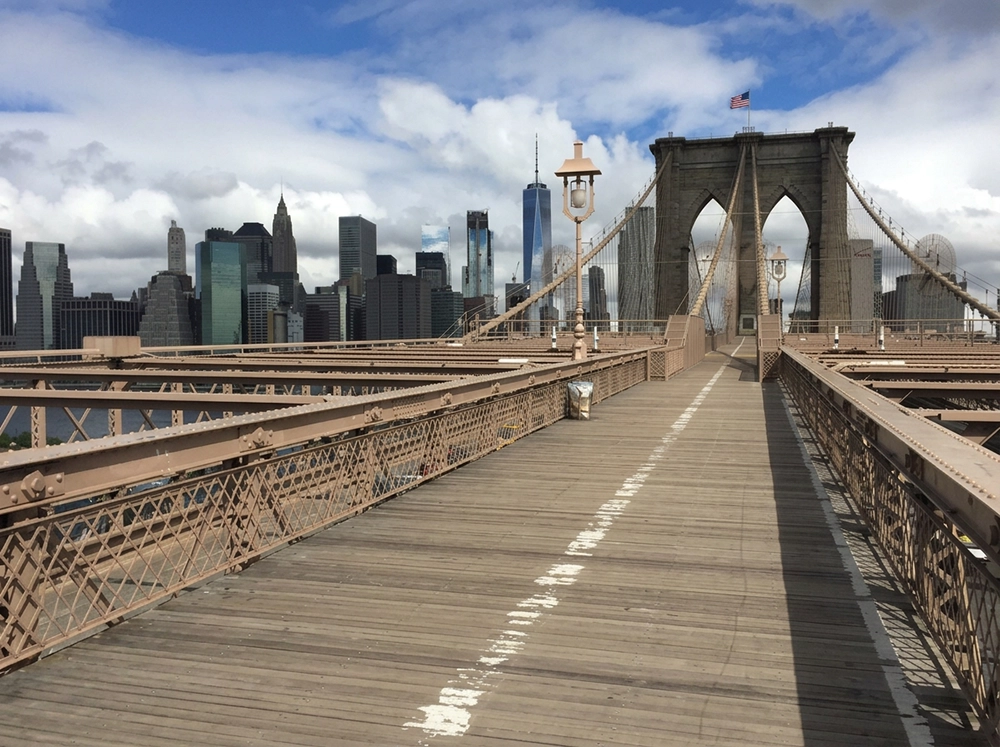
I say this kindly. It’s a 30 to 45 minute walk across one of the most recognizable structures in the world, the views of Lower Manhattan are the kind that make you stop walking involuntarily, and it costs absolutely nothing. The pedestrian walkway is open 24 hours a day, seven days a week, accessible from both the Manhattan and Brooklyn sides.
The Views Are the Point
From the bridge deck, you’re looking at the Lower Manhattan skyline, the Manhattan Bridge running parallel to the north, and on a clear day, yes, you can see the Statue of Liberty in the distance. Sunrise and sunset are both excellent, though morning is slightly more forgiving crowd-wise.
A word on nighttime: the bridge at night is genuinely spectacular, with the city lit up and the East River below catching the glow. It’s also notably cooler in summer, which in August in New York is not a small thing.
Make a Day of It on the Brooklyn Side
This is the real move. Walk from Manhattan to Brooklyn, emerge into DUMBO (the neighborhood, not the elephant), and you’ll find yourself on cobblestone streets with that famous view of the Manhattan Bridge framed perfectly between the buildings. You’ve seen the photo. Now go take it.
From there, Brooklyn Bridge Park stretches along the waterfront with lawns, piers, and Manhattan views that arguably beat the ones from Manhattan itself. Grab a seat on one of the piers and consider the fact that you’ve spent zero dollars and had a better afternoon than most people in expensive hotels nearby.
The Full-Day Game Plan
If you want to do all three in one day, here’s how it works:
- Morning: Hit Central Park early, around 7 or 8 a.m. Walk the highlights, find Bethesda Fountain, grab a coffee from a cart and feel very New York about it.
- Midday: Take the subway down to the Meatpacking District and walk the High Line north, then double back and explore Chelsea.
- Late afternoon/evening: Head downtown and walk the Brooklyn Bridge for sunset. Finish in DUMBO and Brooklyn Bridge Park.
Total cost of admission across all three: $0. Total cost of the day, realistically: whatever you eat and drink, which is the same math you’d face anywhere.
A Few Bonus Freebies While You’re at It
Since you’re already out there, these deserve a mention:
- Staten Island Ferry: Free, runs frequently, and gives you a view of the Statue of Liberty that plenty of people pay for on a separate boat tour.
- 9/11 Memorial (outdoor pools): The reflecting pools at the World Trade Center site are free to visit. The museum has an admission fee, but simply walking the plaza and spending time there costs nothing.
- Brooklyn Bridge Park and DUMBO: Already mentioned above, but worth repeating because it genuinely earns a spot on this list on its own.
- Free museum hours: A handful of institutions offer free or pay-what-you-wish windows, including the Bronx Museum of the Arts and the Museum at the Fashion Institute of Technology.
New York will absolutely try to take your money. It is very good at it. But the city’s most enduring attractions, the ones people return to again and again, the ones that end up in the photos that actually capture what this place feels like, those are free. They were free last year and they’ll be free next year.
Go find them.
